
Featured

Pekanbaru Travel Guide 2026: Siak River, Malay Culture & Riau's Gateway City

Most travellers flying into Sumatra head straight for Medan, Padang or Palembang and never look at the east coast in between — which is exactly why Pekanbaru is so rewarding. This calm river city on the Siak, the capital of Riau province, is one of Indonesia's most overlooked provincial capitals: a grand mosque with twin minarets rising over the city centre, a wide brown river crossed by graceful bridges, and a proud Malay culture expressed in stilt houses, songket weaving and some of the best river-fish cooking in Sumatra. This Pekanbaru travel guide covers the best things to do in the city in 2026, the Siak River and its bridges, the Malay heritage that defines Riau, the food worth travelling for, and the practical details — flights, costs and the best season — for a trip to Sumatra's east-coast gateway city. The Siak River at sunset — Pekanbaru's lifeline and best evening view. Why Visit Pekanbaru? Pekanbaru sits on the banks of the Siak River in eastern Sumatra, an...

Lembeh Strait Diving Guide 2026: Muck Diving Capital of North Sulawesi

Forget postcard coral walls and schooling sharks for a moment. In Lembeh Strait, the narrow channel between mainland North Sulawesi and Lembeh Island, the magic happens on the black volcanic sand itself. This is the world capital of muck diving — the slow, eagle-eyed art of finding extraordinary critters on seemingly empty seabeds. Frogfish the size of your thumb, octopuses that impersonate other animals, seahorses smaller than a grain of rice: nowhere on the planet packs this much weird and wonderful marine life into such small, shallow dive sites. This 2026 guide covers everything you need for a Lembeh trip: how to get there from Manado, the famous dive sites, the signature critters, seasons, resorts, costs, and a practical 4-day itinerary.

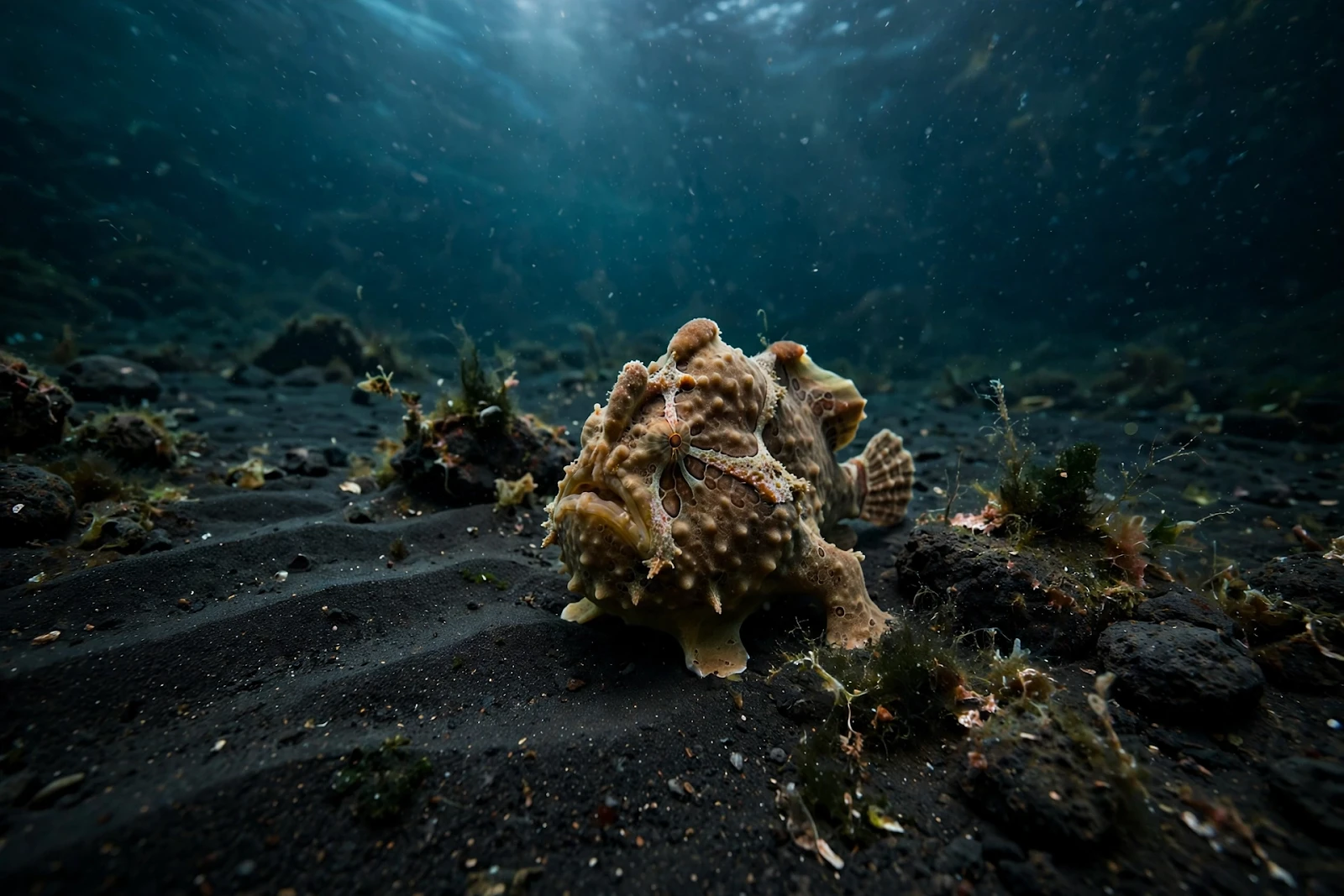
Frogfish camouflaged on the sandy seabed in Lembeh Strait

Lembeh's black-sand slopes hide masters of camouflage like the frogfish.

What Is Muck Diving — and Why Lembeh Is Its Capital

Muck diving is exactly what it sounds like: diving over sand, rubble, and silt — the "muck" — instead of over reefs and walls. Where other divers scan the blue for something big, muck divers hover inches above the bottom, looking for the tiny, the camouflaged, and the bizarre. A good dive guide in Lembeh will find you a pygmy seahorse on a sea fan, a hairy frogfish pretending to be a sponge, and a mimic octopus shapeshifting through its repertoire — all on a single dive, in depths you could almost stand up in.

Lembeh earned its title as the muck diving capital of the world because of an unusual combination: sheltered waters (the strait is protected from ocean swells, so conditions are calm year-round), volcanic black sand that makes colorful critters stand out, and decades of experience among local dive guides, who are arguably the best critter-spotters in the diving industry. Photographers have pilgrimage here for years, but muck diving is just as thrilling for non-photographers — you simply need curiosity and a guide with sharp eyes.


Getting There: Manado Airport to Bitung and Lembeh Island

Every Lembeh trip starts at Sam Ratulangi International Airport (MDC) near Manado, the capital of North Sulawesi. There are daily domestic connections from Jakarta, Surabaya, Denpasar, and Makassar, plus a handful of international links. Immigration and customs for foreign visitors are straightforward at this airport.

From the airport, the route is: airport → Bitung harbor town → boat to Lembeh Island. Bitung is the industrial port city on the eastern side of the Minahasa Peninsula, roughly 1.5 to 2 hours by road from Manado airport depending on traffic. Most dive resorts either sit on the mainland side of the strait near Bitung or on Lembeh Island itself — and nearly all of them arrange airport pickups if you book ahead. If you are traveling independently, taxis and resort-arranged transfers are the practical options; there is no tourist-oriented public transport on this route.

If your resort is on Lembeh Island, you will cross the strait by small boat from Bitung harbor — a short ride of 10 to 20 minutes. The strait itself is the dive destination, so the "transfer" doubles as your first look at the water you will spend the week exploring. Many resorts include the harbor pickup and boat crossing in their packages; confirm this when booking.

Famous Lembeh Dive Sites

Lembeh's sites are shallow, close together, and mostly sandy — which is precisely the point. Here are some of the names you will hear on every dive boat:

Nudi Retreat

A gentle sandy slope famous among macro photographers, Nudi Retreat is named for its extraordinary variety of nudibranchs — colorful sea slugs found crawling over sponges, hydroids, and debris. The site is shallow and sheltered, making it ideal for long, slow dives and night dives. It is also a reliable spot for frogfish and flamboyant cuttlefish.

Hairball

One of Lembeh's most entertaining sites, Hairball is a sandy area scattered with discarded fishing gear, rope, and rubble — habitat for an improbable cast of characters. Hairy frogfish are the headline act here, along with seahorses, pipefish, and various crabs. It is a textbook example of muck diving: nothing looks like much until your guide starts pointing.

Jahir

Jahir is a sloping black-sand site known for mimic octopuses, coconut octopuses, and flamboyant cuttlefish — the strait's most theatrical residents. The site works well for both day and night dives, and patient divers are sometimes rewarded with the famous mimic going through its full impression routine.

Police Pier Night Dive

The piers and jetties along the strait come alive after dark, and the night dive under the piers (often called the Police Pier dive) is a Lembeh rite of passage. Mandarin fish, bobtail squid, stargazers buried in the sand, and hunting octopuses all emerge at night. Even divers who normally skip night dives should make an exception here — it is one of the most celebrated night dives in Indonesia.

Colorful nudibranch on coral in Lembeh Strait, North Sulawesi

Nudibranchs in every color reward slow, careful diving in Lembeh.


Signature Critters of Lembeh Strait

This is the section Lembeh divers read twice. These are the animals that made the strait's reputation:

Frogfish

The undisputed mascot of Lembeh. Frogfish are ambush predators that look like lumpy sponges, algae-covered rocks, or — in the case of the hairy frogfish — a ball of fuzz. They hunt by dangling a worm-like lure in front of their mouths and striking in a fraction of a second. Lembeh hosts multiple species in colors from mustard yellow to jet black, and guides find them with uncanny consistency.

Mimic Octopus

The mimic octopus is one of the ocean's great performers: it impersonates flatfish, lionfish, sea snakes, and other venomous creatures to bluff predators. Lembeh is one of the most reliable places on earth to see one, usually on sandy slopes in shallow water. Watching a mimic flatten itself and ripple across the sand like a sole is the kind of moment divers talk about for years.

Flamboyant Cuttlefish

Small, venomous, and outrageously colored, the flamboyant cuttlefish "walks" along the seabed on its arms while rippling waves of electric color across its body. It is one of the most photographed animals in Lembeh and a strong argument for bringing a camera — or at least a good dive light.

Pygmy Seahorse

Barely larger than a fingernail, pygmy seahorses cling to sea fans and camouflage themselves with near-perfect precision. Spotting one requires your guide's eyes (or a magnifying glass and patience). Lembeh's guides have favorite fans they check on every dive — ask yours to show you one.

Blue-Ringed Octopus

Beautiful, tiny, and highly venomous, the blue-ringed octopus flashes iridescent blue rings when agitated. It is a look-don't-touch animal — admire it from a respectful distance and never try to handle any octopus in Lembeh. Guides know how to find them safely.

Nudibranchs

If frogfish are Lembeh's mascots, nudibranchs are its confetti. Dozens of species — from electric-blue chromodorids to ruffled Spanish dancers — crawl the reefs, piers, and rubble. Even non-divers on snorkeling trips can spot the larger ones, and they are endlessly photogenic.

Best Season and Diving Conditions

The good news: Lembeh dives year-round. The strait is sheltered from the open ocean, so surface conditions stay calm in most months and dive boats run daily. Water temperatures are tropical, generally in the high 20s Celsius — a 3mm wetsuit is comfortable for most divers, and some dive in rash guards.

The generally preferred window is the dry season, roughly April to October, when seas are at their calmest and visibility at its best. The wetter months (November to March) can bring reduced visibility and occasional rain, but critter sightings barely change — muck diving is about what lives on the bottom, not how far you can see. Underwater photographers tend to favor the calmer months; critter hunters will be happy anytime.

Most dives are shallow — many signature sites are in the 5 to 20-meter range — which means long bottom times, generous no-decompression limits, and dives that are friendly to newer divers and rebreather divers alike. Currents in the strait are usually mild, though some sites near the channel entrances can pick up on tidal changes; your dive guide will plan around them.

Where to Stay: Dive Resorts and Liveaboards

Lembeh's accommodation is built around diving, and nearly every resort is a full-service dive resort with its own boats, camera room, and experienced local guides. Options cluster in three types:

  • Lembeh Island resorts: staying on the island puts you minutes from the dive sites, with quiet nights and sea views. Resorts here typically run boat transfers from Bitung harbor and offer full-board packages with diving included.
  • Mainland (Bitung-side) resorts: on the mainland shore of the strait, these offer easier road access from Manado and often larger grounds. Dive boats cross to the sites in minutes.
  • Liveaboards: several Indonesian liveaboards include Lembeh in their North Sulawesi itineraries, combining the strait with nearby Bunaken's walls or the Bangka islands. This suits travelers who want Lembeh plus variety in one trip.

Most resorts offer dive packages (accommodation + meals + a set number of dives per day, typically two to three plus night dives) which work out cheaper than paying per dive. Book well ahead for the dry-season months, when the best-known resorts fill up. When comparing options, check what is included: number of dives per day, guide ratio, nitrox availability, camera facilities, and transfers from Manado airport.


Dive boats at sunset in Bitung harbor near Lembeh Strait

Dive boats depart Bitung harbor for the short crossing to Lembeh Island.

How Much Does Diving in Lembeh Cost?

Lembeh is a dedicated dive destination, so budget for a dive package rather than a beach holiday. As a rough guide for 2026 planning: dive resort packages (full board with 2–3 dives daily) typically run from the mid-range to premium bracket depending on the resort's comfort level, with simpler guesthouse-style options on the lower end. Single fun dives booked à la carte, including equipment rental and guide, cost more per dive than package rates.

Extra costs to factor in: equipment rental if you are not bringing your own (most resorts rent full sets), nitrox fills if you are certified, marine park or local fees where applicable, and tips for your dive guides and boat crew — customary in North Sulawesi's dive industry. Flights to Manado from Jakarta or Bali are domestic and competitively priced when booked early; international routings via Jakarta or Singapore add to the total. Bringing your own mask, computer, and camera gear avoids rental fees and fit issues.

Underwater Photography Tips for Lembeh

Lembeh is a macro photographer's dream, and even a compact camera in a housing will get great results here. A few hard-won tips:

  • Go macro: leave the wide-angle ambitions at home (or save them for Bunaken). A 60mm or 100mm macro lens — or a compact camera's macro mode — is the right tool for frogfish, nudibranchs, and pygmy seahorses.
  • Bring a focus light: many critters hide in shadows under piers or in rubble; a small focus light helps your camera lock on and doubles as a dive light for night dives.
  • Slow down: the best Lembeh shots come from spending ten minutes with one animal. Watch its behavior, wait for the yawning frogfish or the walking cuttlefish, then shoot.
  • Mind the sand: black sand is beautiful but easily stirred. Perfect your buoyancy, fin gently, and never touch the bottom to steady a shot — guides will (politely) call you out.
  • Use the resort camera room: most Lembeh resorts have dedicated camera rooms with charging stations, air guns, and rinse tanks — take advantage of them and keep your gear organized.

Beyond Diving: Tangkoko Day Trip and More

Non-divers — and divers on a surface interval — have excellent options on the mainland. The standout is Tangkoko National Park, about an hour's drive from Bitung: a lowland rainforest famous for the tiny tarsier (one of the world's smallest primates), black crested macaques, hornbills, and cuscus. Guided afternoon treks timed for dusk give you the best chance of seeing tarsiers emerge from their sleeping trees.

Other surface-interval ideas: a Minahasa highland tour to the cool crater lake of Linow near Tomohon with its color-changing water, the traditional markets of Tomohon, and the volcanic viewpoints around Mount Mahawu. Some resorts can arrange snorkeling trips over the strait's shallow reefs for non-diving travel companions. And Bitung harbor at sunset — dive boats silhouetted against the strait — is worth an evening on its own.

Practical Tips for Lembeh Strait

  • Certification level: Open Water certification is enough for most Lembeh sites thanks to the shallow depths — but good buoyancy control matters more here than anywhere. Consider a Peak Performance Buoyancy tune-up before you go.
  • Trust your guide: Lembeh's guides are legendary critter-spotters. Tell them your wishlist (mimic octopus, blue-ringed octopus, rhinopias) at the start of the week and they will plan dives around it.
  • Cash and connectivity: bring enough Indonesian rupiah — ATMs are available in Bitung and Manado but not on Lembeh Island. Mobile signal reaches most of the strait, but resort Wi-Fi varies.
  • Dive insurance: standard for any dive trip; make sure your policy covers scuba to your planned depths and includes evacuation.
  • Reef etiquette: never touch marine life (blue-ringed octopuses and flamboyant cuttlefish are venomous), keep fins off the bottom, and let the guide handle any repositioning of subjects for photos.
  • Combine with Bunaken: many travelers pair a Lembeh week with 2–3 days at Bunaken's coral walls near Manado — muck and walls in one trip is North Sulawesi's classic combo.

4-Day Lembeh Strait Sample Itinerary

Day 1 — Arrive & Check Dive: fly into Manado, resort transfer to Bitung and across to Lembeh Island. Afternoon check dive on a shallow house reef or sandy slope to dial in weights and buoyancy. Night dive under the piers if energy allows.

Day 2 — Muck Classics: two morning dives at signature muck sites (Jahir, Hairball) hunting frogfish and octopuses, afternoon dive at Nudi Retreat for nudibranchs and cuttlefish. Night dive for mandarin fish and bobtail squid.

Day 3 — Tangkoko Day Trip: morning dive, then cross to the mainland for an afternoon trek in Tangkoko National Park — tarsiers at dusk, macaques and hornbills along the trail. Return for dinner at the resort.

Day 4 — Wishlist Dives & Depart: final two dives targeting anything still on your wishlist (ask your guide), rinse and pack camera gear, boat back to Bitung and transfer to Manado for an afternoon or evening flight. Serious divers extend to 6–7 days — Lembeh rewards the unhurried.

Sponsored: see today's best travel deals and offers

Frequently Asked Questions

Do I need to be an advanced diver for Lembeh Strait?

No. Most signature sites are shallow (5–20 meters) with mild currents, so Open Water divers can enjoy them fully. What matters most is buoyancy control — hovering over sand without stirring it up — since the critters are small and easily spooked.

When is the best time to dive Lembeh Strait?

Lembeh dives year-round, but the dry season (roughly April to October) brings the calmest seas and best visibility. Critter sightings stay excellent in all months, so do not cancel a trip just because it falls in the wetter season.

How do I get to Lembeh Strait from Manado?

Fly into Sam Ratulangi International Airport (Manado), then take a resort-arranged transfer to Bitung harbor (about 1.5–2 hours by road). From Bitung, a short boat ride of 10–20 minutes crosses the strait to Lembeh Island. Most dive resorts include the transfers if you book ahead.

What is the water temperature in Lembeh?

Water temperatures are tropical, generally in the high 20s Celsius year-round. A 3mm wetsuit is comfortable for most divers; some dive in just a rash guard, especially on multiple-dive days when you want flexibility.

Can non-divers enjoy Lembeh Strait?

Yes. Snorkeling trips over the shallow reefs, the Tangkoko National Park day trip to see tarsiers, Minahasa highland tours, and sunset views over the strait all make Lembeh work for non-diving companions — and many eventually try a Discover Scuba session once they see the photos.

Lembeh Strait is proof that the ocean's greatest shows come in the smallest packages — a frogfish yawning on black sand, a mimic octopus running through its disguises, a seahorse the size of a grain of rice. It is a destination that turns divers into naturalists and photographers into storytellers. Have you dived the muck of Lembeh, or is it on your 2026 wishlist? Tell us in the comments below.

Comments